
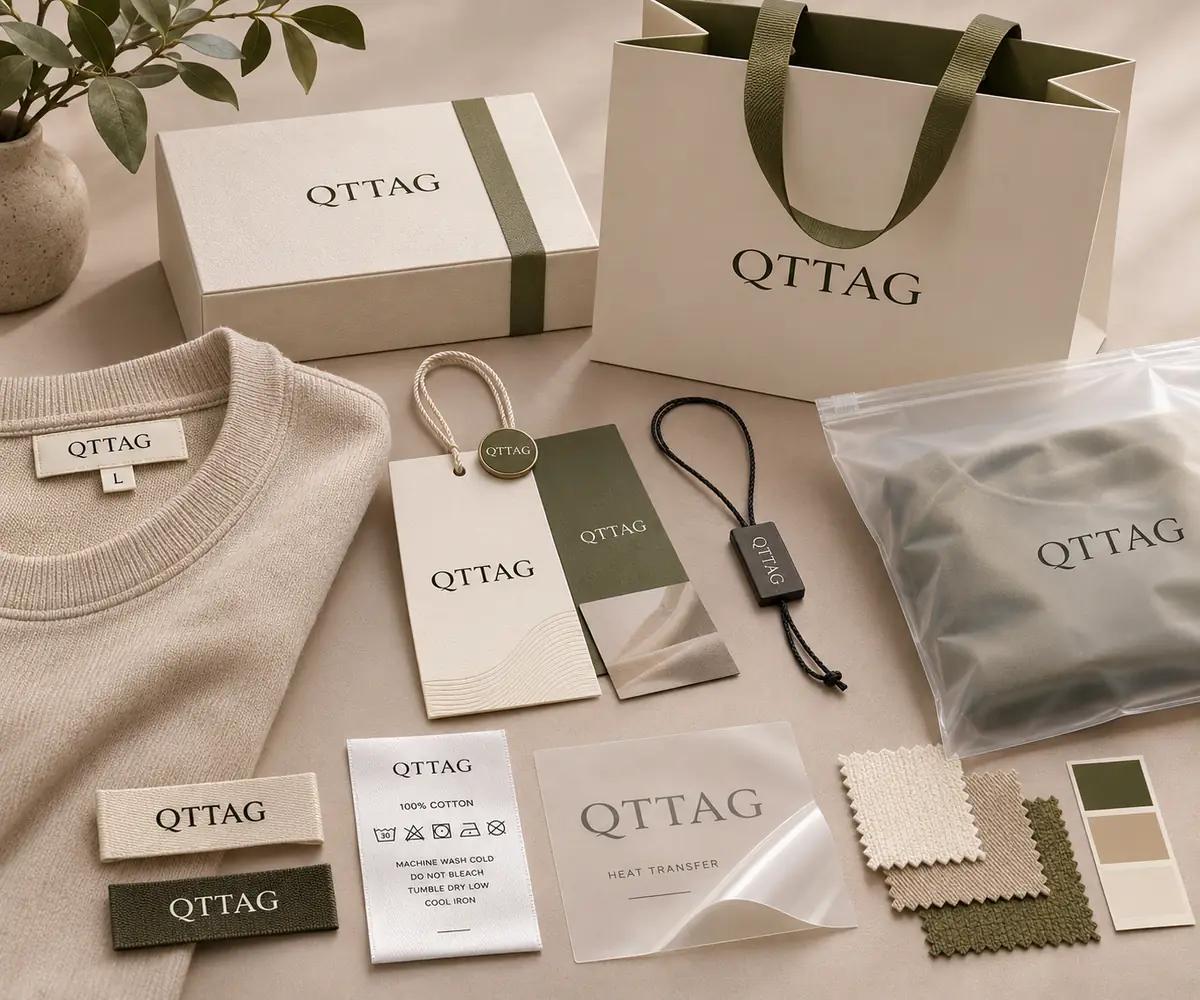
Fashion Brands
Keep brand identity consistent across garment labels, hang tags and packaging—from collection development to repeat production.
Explore Fashion Brand Solutions22 Years of Expertise in Custom Labels & Packaging
Explore practical solutions for fashion brands, clothing manufacturers, designers and private label businesses. From custom garment labels and hang tags to coordinated packaging, find a development path that fits your product and production requirements.

Brands, factories and new businesses make different choices about artwork, materials and production. Choose the profile that best reflects your project.
Keep brand identity consistent across garment labels, hang tags and packaging—from collection development to repeat production.
Explore Fashion Brand Solutions
Coordinate label specifications, artwork versions and packing details around garment production and bulk order requirements.
Explore Manufacturing Solutions
Turn logos and early product ideas into clear artwork, physical samples and practical branding specifications for a first launch.
Explore Start-up Solutions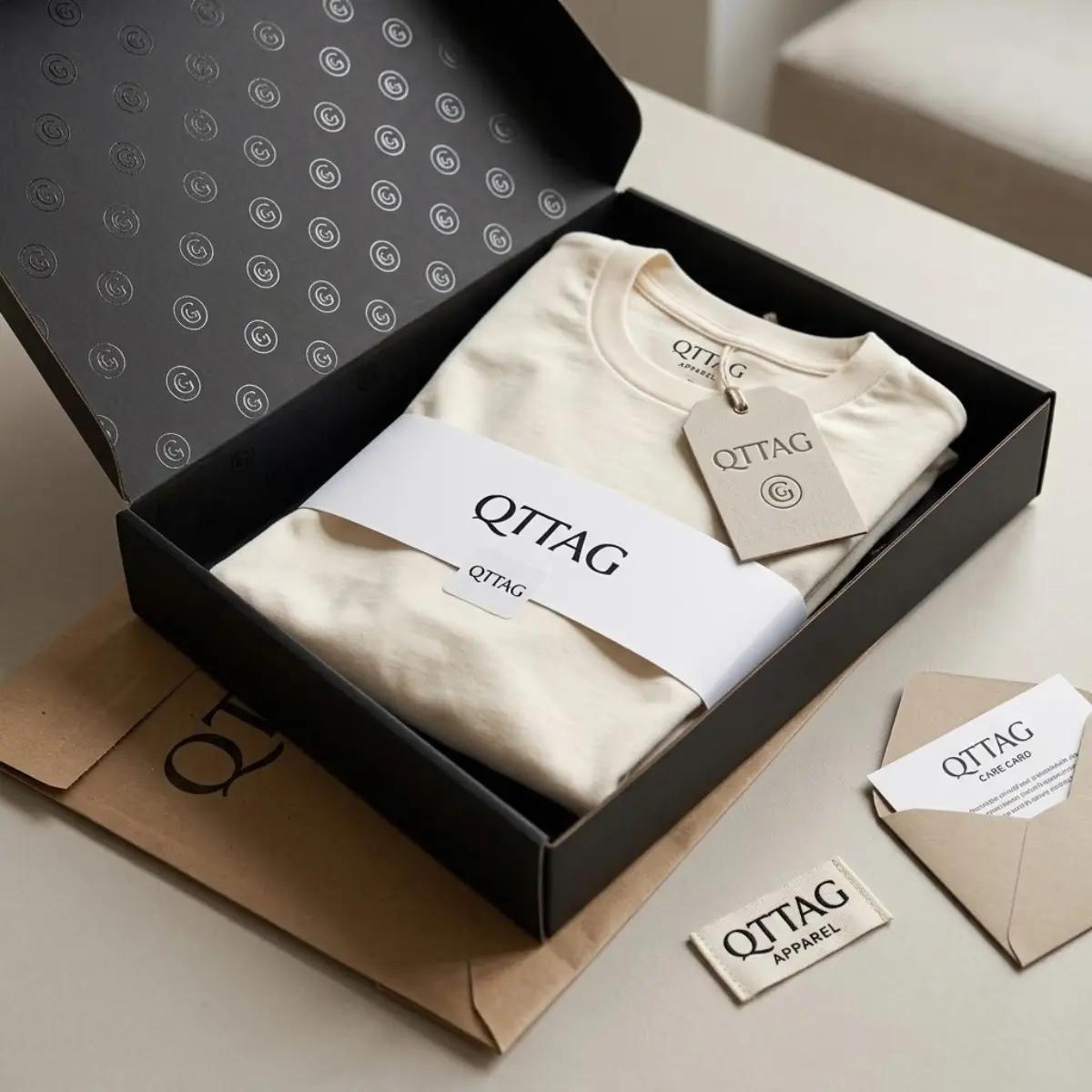
Build a recognizable apparel identity through coordinated garment branding, product information and retail packaging.
Explore Private Label SolutionsStart with your most immediate priority, whether it is a coordinated brand system, a new collection, multiple product approvals or alternative materials.
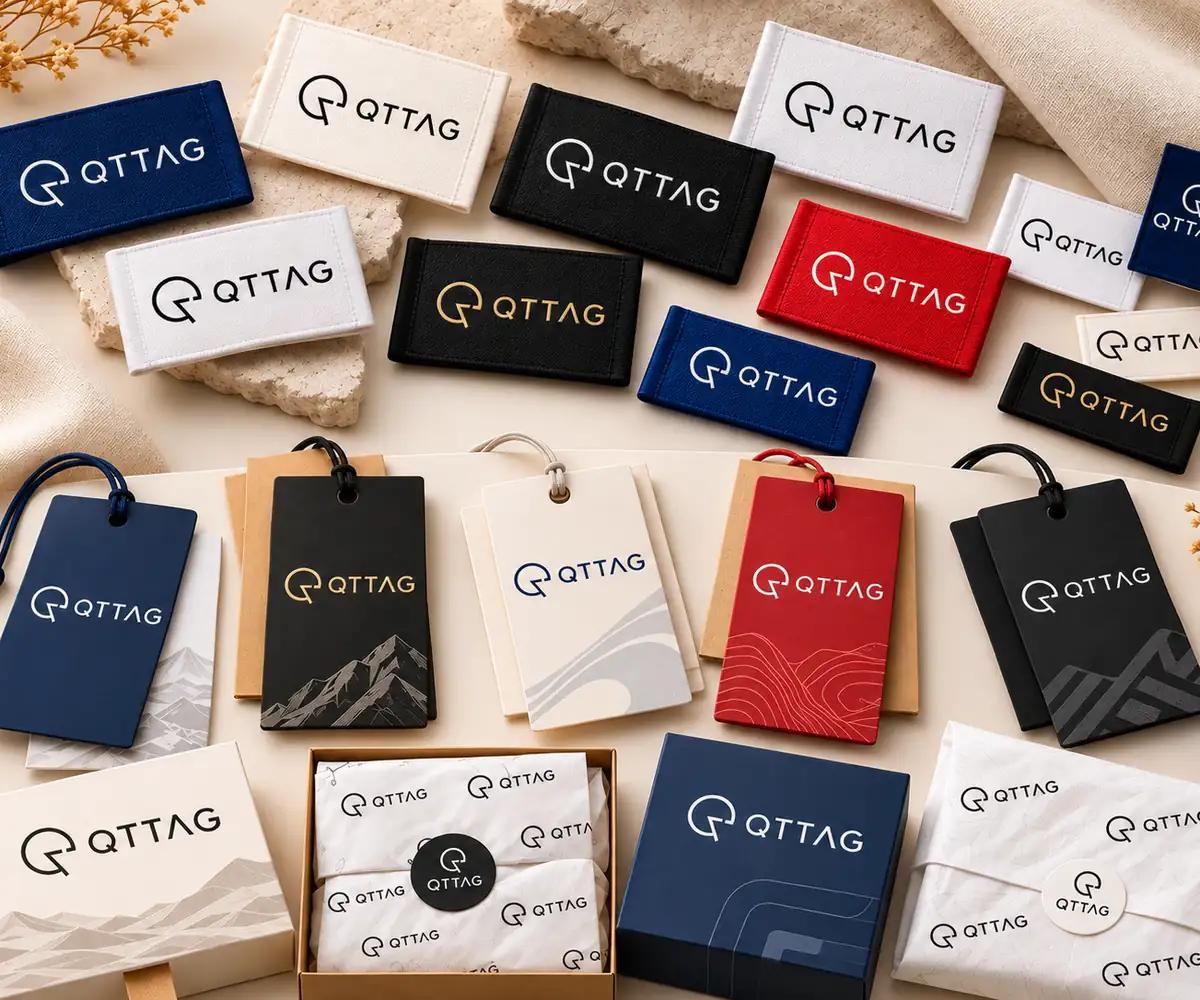
Plan garment labels, retail tags, attachments, bags and boxes together through one connected project brief.
Explore One-Stop Solutions
Align collection artwork, material choices, samples and approved specifications before the next apparel launch.
Explore Collection Development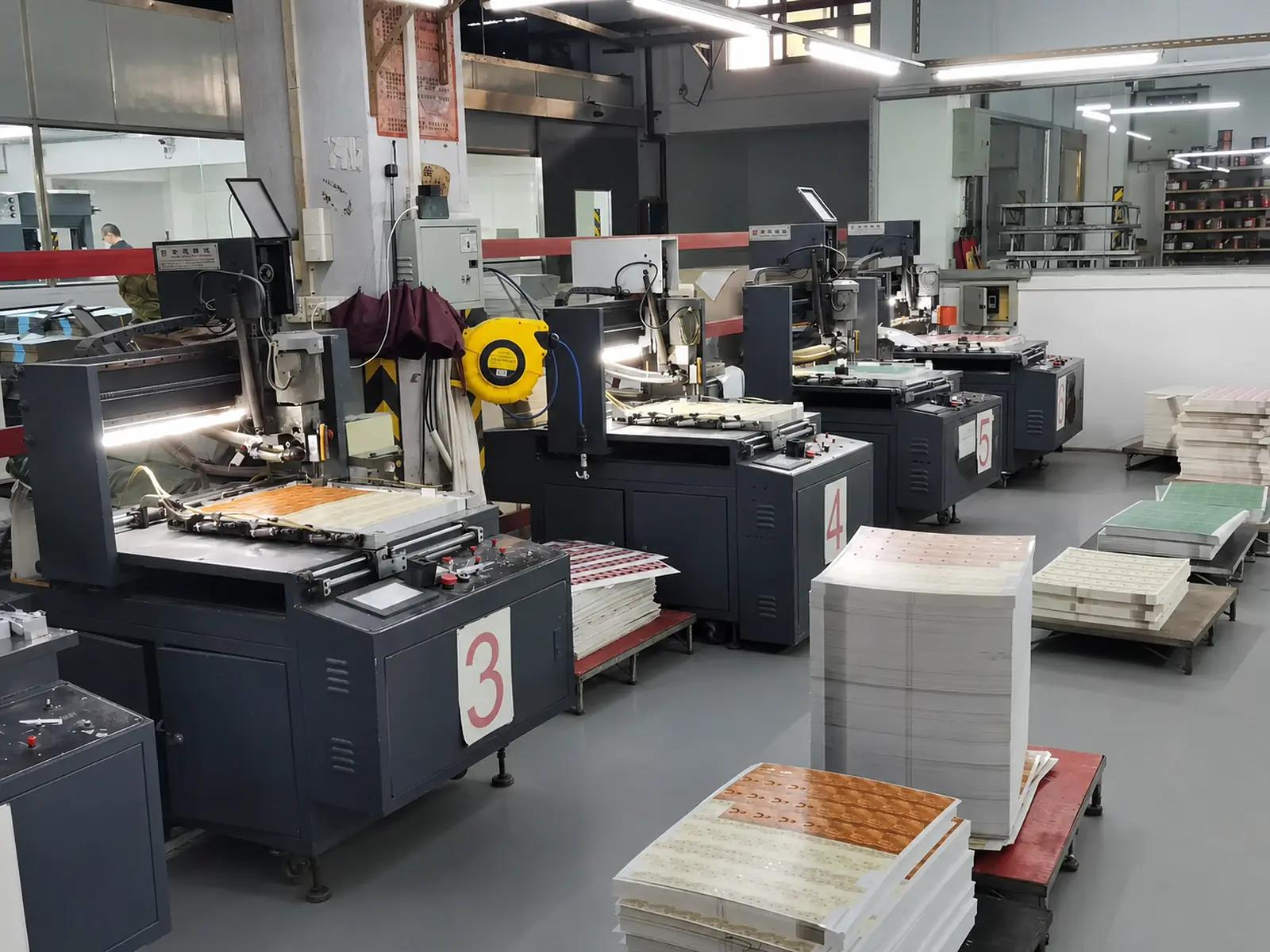
Keep artwork revisions, visual details, sample approvals and production requirements aligned across multiple products.
Explore Coordination Solutions
Review recycled, responsibly sourced and alternative materials against appearance, function and available documentation.
Explore Material OptionsA customer encounters your identity in more than one place. Plan the visible and practical details together instead of treating each component as a separate order.
Define the identity and information placed on the apparel product.
Carry a consistent brand message through customer-facing details.
Consider how packaging protects and presents the finished product.
Organize what is known, review a physical reference and move clear specifications toward production.
Share the collection, product mix, artwork and decisions already made.
Connect materials, finishes, attachments and packaging that need to work together.
Confirm color, scale, construction and handling against an approved physical reference.
Align the confirmed reference with production, inspection, packing and delivery planning.
Use focused technical guides when you need to compare materials, finishes, fold types or production artwork.
Compare fabric, paper and packaging substrates by their actual applications.
Explore MaterialsReview printed detail, foil, texture, coatings and compatible treatments.
Explore FinishesReview label construction, visible faces, folding and sewing allowances.
Compare Fold TypesPrepare files, dimensions, approved wording and production-specific layers.
Review ArtworkYou do not need every choice finalized before starting a discussion. A clear brief helps identify what can be reviewed or sampled next.
Discuss Your RequirementsSpecify the garment or retail use and which label, tag or packaging components are needed.
Share available logos, approved wording, color references and current design versions.
Note approximate sizes, quantities and any color, style or language variants.
Identify what still requires material review, a physical sample or final sign-off.
A few practical answers before you explore the detailed solutions.
Browse FAQStart with whichever is clearer. Business-type pages address common priorities for your team; requirement pages focus on the work you need to coordinate. You can use both before preparing a brief.
Yes. Share the product mix and available artwork together so related material, color, approval and delivery decisions can be reviewed as a connected project.
Yes. Identify the intended application, preferred appearance and any open questions. Available options can then be discussed in relation to sampling and manufacturing feasibility.
A product list, expected variations, artwork files, approximate dimensions, target timing and the person responsible for approval provide a useful starting point.
No. Material claims and supporting documentation depend on the selected product and supply chain. Ask for relevant, verifiable information before making product or marketing claims.
Share your garment application, product mix and available artwork with QTTAG. We can help identify practical questions to resolve before sampling and production.